
The Future of Technology: How Digital Innovation Is Changing Everyday Life
Introduction
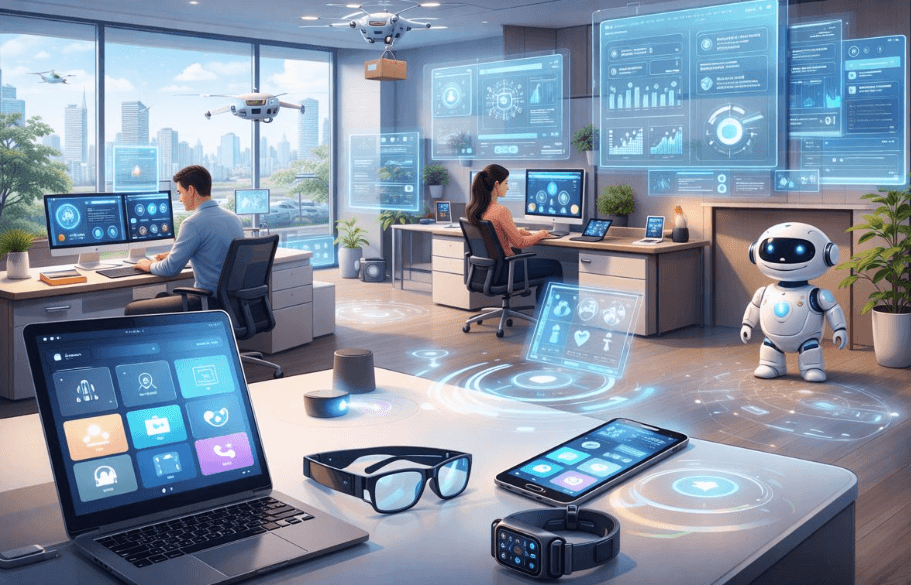
Technology has become an essential part of modern society, influencing how people communicate, work, learn, and solve everyday problems. From smartphones and cloud computing to artificial intelligence and smart devices, digital innovation continues to reshape the world at an incredible pace.
What once seemed like science fiction is now becoming part of ordinary life. Businesses are adopting advanced software, educational institutions are introducing digital learning tools, and individuals are using connected devices to manage their daily activities. Understanding these developments helps people adapt to a rapidly changing environment and take advantage of new opportunities.
Artificial Intelligence and Intelligent Systems
Artificial intelligence is one of the most influential developments in modern technology. It allows computer systems to analyze information, recognize patterns, and perform tasks that traditionally require human involvement.
AI-powered tools are being used in customer support, data analysis, language processing, healthcare research, and business operations. These applications can help organizations improve efficiency and make better-informed decisions.
However, responsible implementation remains important. Issues such as data privacy, accuracy, transparency, and human oversight must be considered as intelligent systems become more widely adopted.
Cloud Computing and Digital Connectivity
Cloud computing has transformed the way individuals and organizations store and access information. Instead of depending entirely on physical storage devices, users can access files, applications, and computing resources through internet-based platforms.
This technology supports remote working, online collaboration, and flexible business operations. Teams located in different parts of the world can share documents and communicate without needing to work from the same physical location.
Cloud services also allow companies to adjust their computing resources according to changing requirements, making technology more accessible to organizations of different sizes.
Cybersecurity in a Connected World
As digital activities increase, protecting information has become a major priority. Personal details, financial records, business documents, and private communications can become targets of cyberattacks.
Cybersecurity involves using technologies and practices to protect systems, networks, and sensitive information from unauthorized access.
Strong passwords, multi-factor authentication, regular software updates, and secure network connections are important protective measures. Businesses should also train employees to recognize suspicious emails, phishing attempts, and potentially harmful downloads.
Digital safety requires continuous attention because cyber threats constantly evolve.
The Growth of Smart Devices and the Internet of Things
Smart technology is making everyday environments more connected. The Internet of Things, commonly known as IoT, allows compatible devices to exchange information through internet connections.
Smart thermostats, security cameras, wearable devices, and connected home appliances are examples of this development.
These products can provide convenience, automation, and better control over certain daily activities. For example, homeowners may manage lighting or monitor security systems through mobile applications.
As connected devices become more common, manufacturers must also focus on security, compatibility, and responsible data collection.
Technology in Modern Education
Digital innovation has created new possibilities for students and educators. Online classrooms, interactive learning platforms, educational applications, and digital libraries provide access to information beyond traditional classroom environments.
Students can explore different subjects, watch instructional videos, and participate in virtual learning sessions from various locations.
Technology also allows teachers to introduce interactive lessons and organize educational resources more efficiently. However, digital tools should support meaningful learning rather than replace critical thinking and direct human interaction.
The Role of Technology in Business Development
Businesses increasingly depend on technology to improve operations and serve customers. Digital payment systems, customer management software, automated processes, and online marketing platforms have changed how companies compete.
Small businesses can use affordable digital tools to reach wider audiences and manage their operations more effectively.
Data analytics can also help business owners understand customer behavior, identify market opportunities, and evaluate performance.
Organizations that invest in appropriate technology while maintaining a clear strategy can become more adaptable in competitive markets.
Sustainable Technology and Environmental Innovation
Technology is also contributing to environmental solutions. Renewable energy systems, electric transportation, energy-efficient equipment, and smart resource management are helping communities explore more sustainable practices.
Solar panels and wind energy systems provide alternatives to conventional electricity generation, while modern monitoring tools can help reduce unnecessary energy consumption.
At the same time, electronic waste and the environmental cost of manufacturing digital devices remain important challenges. Responsible production, recycling, and longer product lifecycles are necessary for sustainable technological development.
Conclusion
Technology continues to influence nearly every aspect of modern life. Artificial intelligence, cloud computing, cybersecurity, smart devices, and digital education are creating new opportunities while introducing important challenges.
The future of technology will depend not only on developing advanced tools but also on using them responsibly. Individuals and businesses that remain curious, continue learning, and understand digital risks will be better prepared for future changes.
Ultimately, technology is most valuable when innovation makes life more efficient, accessible, secure, and meaningful.

One Comment